
Short answer
Use AI tools to organize Dutch property questions, valuation documents, privacy boundaries, and human review before an Eindhoven taxatie.
A Dutch property purchase gives you more material than most buyers expect: listing notes, lender messages, VvE files, energy labels, taxatie wording, broker replies, notary dates, and private doubts. AI can help sort that material. The buyer still decides what gets shared, what needs a human, and what stays private.
Short answer: AI tools can help Dutch property buyers organize property notes, translate Dutch terms, prepare advisor questions, track valuation documents, and separate private worries from lender-ready facts. They cannot replace an accredited appraiser, mortgage advisor, notary, broker, or lender. Use AI for preparation, then keep human review in charge.
That boundary matters most after an offer is accepted. The buyer may have only a few weeks to arrange the mortgage, gather documents, understand the valuation process, and keep the purchase moving. A tool that turns scattered notes into a clear question list can help. A tool that guesses the value, rewrites lender instructions loosely, or stores private documents carelessly can create avoidable risk.
Here is a practical way to use AI tools before a Dutch taxatie, especially when you are buying in Eindhoven and working in English.
Where AI Fits In A Dutch Property Purchase
AI tools for Dutch property buyers work best around preparation. They can help you read your own notes, group open questions, explain Dutch terms in plain English, and keep track of which file still needs human review.
The Dutch purchase path already has several professional checkpoints. A buyer may work with a mortgage advisor, broker, estate agent, notary, building inspector, and appraiser. I amsterdam’s home-buying guide explains that buyers normally need to finalize the mortgage and arrange a property valuation, or taxatierapport, during the purchase process. The buyer organizes and pays for that valuation.
For mortgage use, the report process matters. NWWI says it validates residential valuation reports from connected appraisers and checks that each valuation is prepared in a uniform way and under clear rules. NHG explains physical, model, and hybrid valuation processes and states that a mortgage file can require a fully validated valuation report or an approved hybrid valuation, depending on the case.
AI can help you prepare for those conversations. It should never decide the accepted report process.
A useful AI session for a buyer might answer:
- Which Dutch terms in the lender email need explanation?
- Which files are mentioned in the broker’s message?
- Which questions belong with the mortgage advisor?
- Which questions belong with the appraiser?
- Which notes are private and should stay out of chat tools?
- Which facts need a source before they enter the valuation file?
That is a strong use case. It keeps AI near organization, wording, and review, while the appraiser, lender, advisor, and notary keep their own roles.
Use Three AI Roles, Then Keep Them Separate
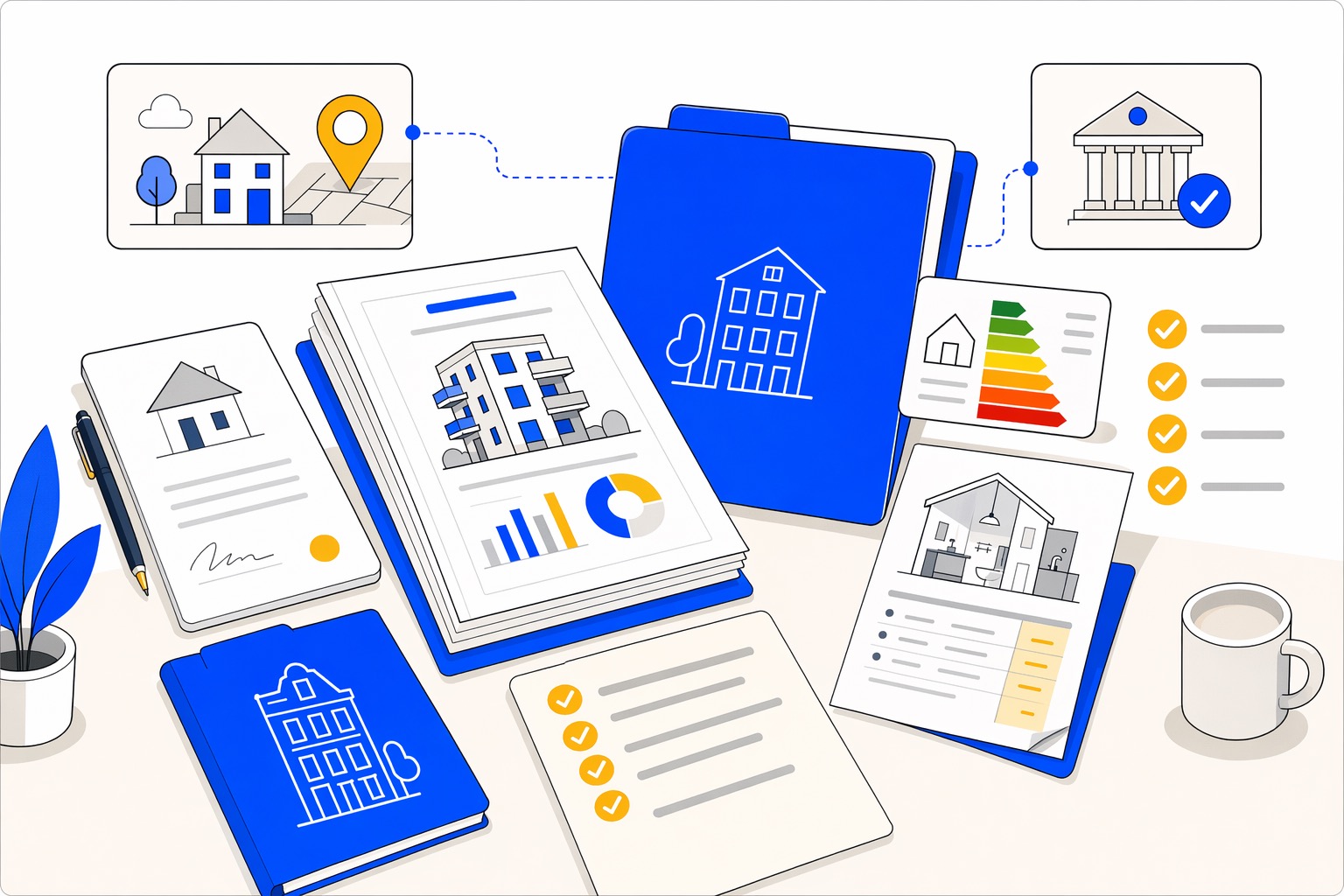
Many buyers use one chatbot for everything. That creates messy results because a planning question, a document checklist, and a late-night worry need different handling.
Think in three roles instead.
You are a founder, freelancer, or self-employed expat buying while running a company
Turn the purchase into a decision memo: cash timing, work travel, document owner, advisor questions, and risks to discuss
Mortgage advisor, accountant, and lender
You need reminders and repeat checks
Track documents, deadlines, missing answers, and review gates before the valuation request
Buyer, advisor, appraiser, and notary
You feel pressure after a viewing or offer
Sort private thoughts, write down worries, and prepare calmer questions before calling a professional
Never use as therapy, legal advice, valuation advice, or mortgage advice
Those roles can sit inside one purchase plan, but they should not share every file. A planning partner can help you think. A task assistant can track next actions. A companion tool can help you slow down and name a worry. None of them should receive a full dump of personal data, bank details, identification files, private seller details, or full contracts unless you have a clear legal and privacy basis for that tool.
Build A Safe Buyer Packet Before Using AI
Before you paste anything into an AI tool, split your material into three piles.
Public property context
This is the safest pile. It includes the listing title, asking price range if public, neighborhood, property type, number of rooms, broad condition notes from the listing, and public questions such as "What does erfpacht mean?" or "What does VvE mean?"
You can use this pile for broad learning. It is enough to ask AI for a plain-English glossary, a checklist of questions to ask at a viewing, or a draft overview of who should answer each question.
Buyer-private information
This pile needs care. It includes your full name, address, phone number, bank statements, income documents, mortgage amount, BSN, employment contract, purchase contract, broker emails, seller details, and any file that identifies another person.
The Dutch Data Protection Authority warns that entering personal data into AI chatbots can cause data-breach risk. It notes that chatbot providers may store entered data, and that the person whose data is involved may have no idea what happened to it.
For a buyer, the practical rule is simple: strip personal details before using AI. If you need help with a document, summarize the type of document and the question. Keep the original file for the advisor, lender, appraiser, notary, or other professional who is meant to read it.
Professional-review material
This pile includes anything that affects the valuation, financing, legal transfer, or your duty as a buyer. It covers VvE documents, renovation plans, energy information, building inspection notes, lender instructions, NHG/NWWI wording, and any uncertainty about the accepted report process.
AI can help you turn this pile into questions. It should not answer the professional question as if it holds authority. If a buyer asks, "Will the lender accept this?" the next action is to ask the lender or mortgage advisor. If the buyer asks, "Does this change the market value?" the next action is to ask the appraiser through the proper valuation process.
How To Use AI Before A Valuation Request
The best AI use starts before the form, call, or email gets messy.
1. Keep The Original Lender Wording
Copy the exact wording from your mortgage advisor or lender into your own note file. If it contains terms such as NWWI, NHG, NRVT, taxatierapport, validation, market value, WOZ, or hybrid valuation, keep those words visible.
You can ask AI to translate the terms into plain English, but keep the original text beside the plain-English version. A loose paraphrase can remove the part that matters.
Useful prompt:
“text I am buying a residential property in Eindhoven. Explain these Dutch mortgage valuation terms in plain English for my own understanding. Keep the original terms visible. Do not decide which report process my lender accepts. “
2. Sort Questions By Owner
AI is helpful when it turns one long worry list into a clean owner list.
Use categories like:
- Buyer decision
- Mortgage advisor
- Lender
- Appraiser
- Estate agent
- Notary
- Building inspector
- VvE or seller
That sorting prevents one professional from receiving the wrong question. An appraiser can explain the valuation process and needed inputs. A mortgage advisor should handle financing choices. A notary handles transfer and legal deed questions. A building inspector handles technical condition questions outside the valuation process.
Useful prompt:
“text Sort these questions by the person who should answer them: buyer, mortgage advisor, lender, appraiser, estate agent, notary, building inspector, or VvE. If a question contains private data, mark it as private and do not rewrite the personal details. “
3. Create A Valuation Intake Summary
When you are ready to request a mortgage valuation, a short intake summary helps more than a long email thread.
It can include:
- Property address
- Property type
- Purchase, refinance, renovation, sale, inheritance, divorce, or other residential purpose
- Deadline
- Lender or advisor wording
- Whether NWWI or NHG is mentioned
- Whether the property is an apartment
- Whether renovation work is part of the file
- Which documents you already have
- Which documents are still missing
- Whether English explanation or translation is needed
AI can draft that summary from your notes after you remove personal data that does not belong in the tool. Then you review every line against the original email or document.
4. Mark Unknowns Instead Of Guessing
A useful AI output has a field for "needs human check."
That field should catch:
- Which report process the lender accepts
- Whether a hybrid valuation fits the loan case
- Whether NWWI validation is required
- Whether apartment documents are complete
- Whether renovation documents are enough
- Whether the deadline is realistic
- Whether an English translation is needed for your own understanding
- Whether a value expectation is only a rough idea
Unknowns are normal. The danger comes from treating a confident AI sentence as confirmation.
What AI Should Never Decide For A Dutch Buyer
AI can give structure. It cannot carry professional responsibility in a property transaction.
Do not let AI decide:
- The appraised market value
- Whether a lender will accept a report
- Whether NHG allows the process in your case
- Whether a WOZ value is enough for the file
- Whether a purchase price is sensible
- Whether a mortgage amount is affordable
- Whether a clause in the purchase contract protects you
- Whether a VvE risk is acceptable
- Whether you should waive a financing condition
- Whether a late document will still meet the deadline
Those questions need the right professional. The appraiser, lender, advisor, notary, broker, or inspector may all have separate duties. AI can help you prepare the question; the human role remains.
That boundary is also better for your stress level. If AI gives a confident answer and the professional later says something else, you now have two conflicting voices in your head. A cleaner process is to use AI as your notebook, then ask the person who carries responsibility.
A Practical AI Prompt Packet For Dutch Property Buyers
Use prompts that tell the tool what to do and what to avoid.
Plain-English term explainer
“text I am an English-speaking buyer in the Netherlands. Explain these terms in plain English: taxatie, taxatierapport, NWWI, NRVT, NHG, WOZ, market value, hybrid valuation, physical valuation, VvE, MJOP, and koopakte. Keep the answer short. Add a field for who can confirm each term in my case. “
Document owner list
“text I have these property-purchase documents and messages. Create a overview with document type, why it may matter, who should review it, and what question I should ask. Use placeholders for names and addresses. Do not ask me to paste personal documents. “
Advisor email draft
“text Draft a short email to my mortgage advisor. Ask which valuation process the lender requires, whether NWWI or NHG is involved, what deadline matters, and whether any apartment or renovation documents are needed. Keep the email calm and factual. “
Appraiser intake note
“text Draft a valuation intake note for a residential property in Eindhoven. Include address placeholder, purpose, deadline, property type, advisor wording, documents available, and open questions. Do not include bank details or personal identification numbers. “
Private worry list
“text I am feeling rushed after viewing a property. Help me separate facts, assumptions, open questions, and worries. Do not give mortgage, legal, or valuation advice. End with three questions I can ask a professional tomorrow. “
These prompts work because they keep AI away from final decisions. They ask for sorting, wording, and question preparation.
Privacy Rules For Property Buyers Using AI
Property buying creates sensitive data quickly. A purchase file can contain identity details, income data, contract terms, addresses, appraiser notes, seller details, and messages from professionals.
The Dutch Data Protection Authority has warned about personal data being entered into AI chatbots and stored by providers. It also warned that AI companion apps for friendship and mental health can give unreliable or harmful responses, may blur whether the user is talking to AI, and can be risky for vulnerable users.
That means buyers need two rules.
First, never use a chatbot as a vault. Store the real file in your own secure folder, advisor portal, lender portal, or professional channel. Use AI only on redacted notes when possible.
Second, never use a companion-style chat as a substitute for professional support. It can help you write down worries. It should not tell you whether to buy, bid, waive a condition, accept a value, or continue under pressure.
If you want a simple privacy filter, ask this before every AI message:
Does this identify me, the seller, or another person?
Remove it or use a placeholder.
Does this include bank, salary, tax, or identity data?
Keep it out of the AI tool.
Does this contain a contract clause?
Ask a notary, advisor, lawyer, or broker.
Does this affect the valuation or report process?
Ask the appraiser, lender, or mortgage advisor.
Is this only a personal worry?
Keep it general and private.
Scenario: English-Speaking Buyer In Eindhoven
Say you work near High Tech Campus or in the Brainport area and you have found an apartment in Eindhoven. The broker sends Dutch VvE documents, the mortgage advisor mentions NWWI, and the purchase contract has a financing deadline. You also have a busy work week, so everything starts to blend together.
A weak AI use would be to paste every document into one chatbot and ask, "Is this a good purchase?"
A stronger use looks like this:
- Save the original lender and advisor wording.
- Redact names, phone numbers, account details, and addresses before using AI.
- Ask AI to explain Dutch terms in a glossary.
- Ask AI to sort questions by owner.
- Ask your mortgage advisor which valuation process the lender needs.
- Ask the appraiser what information is needed for the residential valuation.
- Ask the notary or broker about contract and transfer questions.
- Keep private emotional notes separate from the property file.
Now AI has done useful work. It has reduced clutter. It has prepared questions. It has made the next human conversation easier.
It has not replaced the valuation.
Buyer Checklist Before The Taxatie
Use this checklist before you send your first request.
Original wording saved
Lender or advisor message copied exactly, with Dutch terms preserved
Purpose named
Purchase, refinance, renovation, sale, inheritance, divorce, or other residential use
Deadline clear
Date, recipient, and pressure point written down
Report process open
NWWI, NHG, physical, or hybrid wording marked for advisor confirmation
Documents listed
Purchase agreement, energy label, VvE files, renovation plans, inspection notes, or other files named
Private data protected
Personal IDs, bank files, salary data, and full contracts kept out of AI chats
Questions sorted
Advisor, lender, appraiser, notary, broker, VvE, and buyer questions separated
English support noted
Terms or report explanation needs marked before intake
AI output reviewed
Every AI line checked against the original source before use
If the checklist feels too long, start with the first four items. Most buyer confusion begins with loose wording, unclear purpose, deadline pressure, and uncertainty about the report process.
The Best Use Of AI Is A Better Human Conversation
AI tools can make a Dutch property purchase feel more ordered. They can help you prepare a question list before calling your mortgage advisor. They can help you turn a viewing note into a clean overview. They can help you see which worry belongs in a private note and which fact belongs in the valuation file.
The goal is a better human conversation.
When you speak with an appraiser, you want to know the property address, purpose, deadline, lender wording, and document state. When you speak with a mortgage advisor, you want the report process, financing deadline, and lender policy clarified. When you speak with a notary, you want contract and transfer questions separated from valuation questions.
AI is useful when it helps you arrive prepared.
FAQ
Can AI estimate the value of a Dutch property before a taxatie?
AI can explain valuation terms and help you collect facts that may matter. It should not be treated as the appraised market value. A mortgage valuation depends on the accepted report process, the property, the purpose, and the appraiser’s professional work.
Is it safe to paste a purchase contract into an AI chatbot?
Treat a purchase contract as sensitive. It can contain names, addresses, dates, financial conditions, signatures, and legal wording. Use placeholders and short excerpts only when you have a clear reason, and ask the right professional about legal or mortgage meaning.
Which AI role helps most before a mortgage valuation?
For most buyers, the task-assistant role helps most: document list, deadline tracker, advisor questions, and missing-file status. Founder buyers may also benefit from a decision memo. Companion-style tools should stay private and limited to reflection.
Can AI explain Dutch words such as taxatie, WOZ, NWWI, and NHG?
Yes, AI can explain common Dutch property terms in plain English. Keep the original Dutch wording visible, because your lender, advisor, or appraiser may use that wording for a reason.
When should a buyer stop using AI and ask a professional?
Ask a professional when the answer affects value, lender acceptance, mortgage amount, purchase contract, deadline, tax position, building condition, VvE risk, or whether you should continue with the purchase.
Next Step
Use AI to prepare your notes, then bring the reviewed facts to the right person. If the property is in or around Eindhoven and your lender or advisor has asked for a residential valuation, prepare the address, purpose, deadline, original wording, and available documents before you request the taxatie.
Need a valuation report in Eindhoven?
Send the property address, adviser wording, deadline, and available documents so the valuation question can be checked before you book.
Request valuation