Property Valuation in Centrum, Eindhoven
Property Valuation in Centrum, Eindhoven is a practical local guide for a local buyer or homeowner in the Eindhoven area. It explains local property type, area context, documents, comparables, and lender wording in plain English, with Centrum context where it matters, so the reader can send a cleaner valuation file and ask better questions before booking.
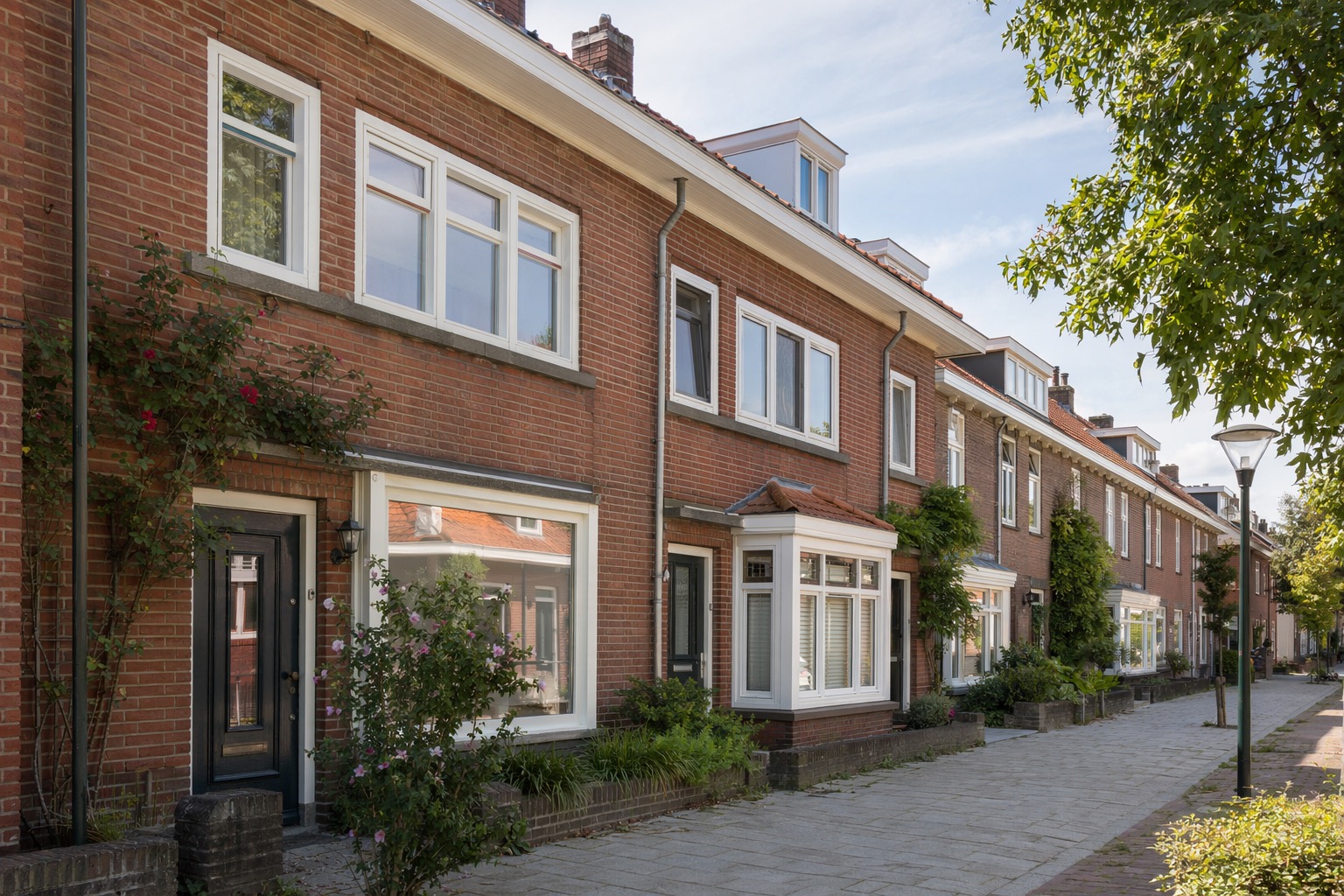
Property Valuation in Centrum, Eindhoven is a practical local guide for a local buyer or homeowner in the Eindhoven area. It explains local property type, area context, documents, comparables, and lender wording in plain English, with Centrum context where it matters, so the reader can send a cleaner valuation file and ask better questions before booking.
This local guide focuses on useful decisions: what to send, which wording to preserve, what to check before booking, and where a lender or adviser question can affect the file.
Why this guide matters
Centrum should not be treated as a generic pin on a map. Local valuation context works best when the property type, documents, comparable evidence, access, energy details, and lender wording are all visible at the same time.
Property Valuation in Centrum, Eindhoven is not just a search phrase. It usually means the reader has a practical decision to make: whether to order a report, which wording to send, which documents to collect, how to explain the home, and how to avoid creating a problem for the mortgage adviser later.
For Centrum, the best preparation is specific. A file for an apartment, a row house, a renovated home, a refinancing question, or a deadline-driven purchase should not all be handled with the same short message. The facts that describe the property need to match the purpose of the valuation.
The article focuses on buyer-level work. It does not replace mortgage advice, legal advice, tax advice, or the appraiser’s professional judgement. It helps the reader assemble a cleaner file and ask more precise questions.
Local checks for Centrum
Centrum context should be specific enough to help the valuation file, but not so broad that it becomes a neighbourhood description with no property evidence. The useful facts are home type, condition, size, energy information, ownership details, and comparable context.
Local buyers should send the full address, not only the area name. A street, apartment index, storage detail, parking right, VvE package, or renovation note can matter more than the broad local label.
For nearby towns and Eindhoven districts, the same rule applies: local demand is background, while documents and report purpose are the working file.
What to send first
Start with the full address, the reason for the valuation, the exact mortgage adviser wording, the expected deadline, and the documents already available. That short package tells the appraiser what kind of file is being prepared and which questions are urgent.
Send the purchase agreement when there is a purchase. It anchors the address, price, conditions, parties, and timing. If the agreement has changed, send the latest version or addendum instead of describing the change from memory.
Send property evidence that fits the home. For apartments, that usually means VvE files, service costs, minutes, maintenance planning, and storage or parking details. For houses, it can mean floor plans, permit notes, renovation invoices, energy label information, photos of improvements, and any inspection notes.
Keep the original Dutch terms visible. NWWI, NRVT, NHG, WOZ, VvE, value reference date, market value, physical valuation, hybrid valuation, and energy label each point to a different question. A loose English rewrite can hide the detail the adviser meant to send.
If a document is missing, say so clearly. Missing information is easier to manage when it is named early. Waiting until the final review can turn a simple missing attachment into a timing issue.
How to read the topic before booking
A reader should separate three things: the property, the purpose, and the deadline. The property tells the appraiser what is being valued. The purpose tells the appraiser why the value is needed. The deadline tells everyone how quickly the file has to move.
The property side is factual. It includes type, size, condition, construction year, energy information, ownership details, VvE context, plot or apartment rights, and any known issues. The purpose side is wording. It may involve mortgage purchase, refinancing, renovation financing, risk-class review, inheritance, divorce, private planning, or another clearly stated reason.
The deadline side is practical. A buyer with a financing clause should not send the same loose request as a homeowner exploring a refinance later in the year. When timing matters, the first email should show the deadline near the top and attach the documents that are already available.
This is also where property valuation Centrum Eindhoven should be handled naturally. The phrase helps name the question, but the file is judged on evidence, report purpose, and the specific property rather than the exact wording of a search term.
Eindhoven and Dutch report context
Eindhoven guidance should be concrete. The city has official local divisions, a wide range of apartment and house types, and many buyers who work with Dutch mortgage wording for the first time. Local names can help orient the reader, but they cannot replace property evidence.
Dutch mortgage valuation work also has institution-specific language. NWWI, NHG, NRVT, lender acceptance, value reference date, report model, and inspection type can all matter. The appraiser needs the wording that came from the adviser, not a shortened version.
For international buyers, the useful habit is to send the Dutch request exactly as received and ask for the meaning in English. That keeps the formal wording intact while still making the next step understandable.
For local homeowners, the useful habit is to send recent changes. Renovation work, solar panels, insulation, a heat pump, maintenance, defects, or VvE decisions are easier to consider when the supporting documents are attached.
Mistakes that slow the file down
The first mistake is sending a general message without the adviser wording. A valuation request that says only "I need a report" leaves too many open questions. The file moves faster when the original request is attached.
The second mistake is assuming the listing has every fact the report needs. Listings are useful, but the report file may need stronger evidence: deed details, VvE documents, floor area support, energy label, renovation proof, or inspection notes.
The third mistake is mixing value terms. Purchase price, market value, WOZ value, asking price, and an online estimate do not answer the same question. Write down the number, source, and date for each one before drawing conclusions.
The fourth mistake is hiding uncertainty. If the floor area differs between documents, the VvE package is incomplete, the renovation invoice is missing, or the adviser changed the wording, say so early.
The fifth mistake is treating timing as an afterthought. Access to the home, document delivery, validation, adviser review, and lender review are separate steps. The valuation file should be started before the deadline feels uncomfortable.
What a useful answer should contain
A useful answer gives the reader a decision, not just a definition. It should say what to collect, who to ask, which terms to preserve, and where the risk of delay sits.
It should also avoid promises that do not belong in public copy. The appraiser can explain the report process and prepare the file, but the lender decides mortgage acceptance and the adviser explains financing options.
For Property Valuation in Centrum, Eindhoven, the best next step is usually a short document check. Send the property address, purpose, adviser wording, deadline, and available files. Then ask what is missing before confirming the appointment.
A clean file is not a longer file. It is a file where every attachment has a job: proving the property, explaining the condition, confirming the purpose, or clarifying the timing.
Scenario guide
Copy the original wording, attach the purchase agreement, and state the deadline in the first message.
Add annual accounts, minutes, service costs, maintenance planning, insurance details, and storage or parking evidence.
Send invoices, photos, dates, energy label updates, permit notes, and a short summary of completed work.
Write down purchase price, WOZ value, asking price, and any adviser wording so each number has a source.
Send the address, deadline, adviser request, and available documents before asking for a visit time.
Keep the Dutch wording intact and ask for a plain-English explanation beside it.
Source-backed notes
Eindhoven Open Data describes the city through official stadsdelen, wijken, and buurten. That structure helps local guidance use real place names instead of invented market labels. Read source.
Kadaster explains that home value can be estimated with sale-price and market information. A mortgage valuation still needs the report form requested by the lender. Read source.
NWWI states that the renewed Model Taxatierapport Woonruimte 2026 applies to valuation applications from April 1, 2026. Buyers should keep the requested report wording visible before they book. Read source.
Brainport presents the region as an international talent hub. That context explains why clear English buyer guidance around Eindhoven and nearby towns is useful. Read source.
Related reading
Use these articles when they match the next question in the file. They keep the surrounding topic connected without making one article carry every detail.
FAQ
What is Property Valuation in Centrum, Eindhoven?
Property Valuation in Centrum, Eindhoven is a local guide for a local buyer or homeowner in the Eindhoven area. It connects the topic to the documents, report purpose, value wording, and timing that matter in a residential valuation file.
Who should read this article?
Read it if you are dealing with property valuation Centrum Eindhoven and want a cleaner way to prepare the request before speaking with the mortgage adviser, lender, broker, seller, or appraiser.
What should I send first?
Send the address, adviser wording, purchase agreement if there is one, deadline, energy label, and the most relevant property files. If the home is an apartment, add VvE documents when available.
Why is the adviser wording so important?
The adviser wording tells the appraiser what the mortgage file expects. It may mention NWWI, NHG, physical valuation, hybrid valuation, renovation value, market value, or another specific requirement.
Can I rewrite Dutch mortgage terms in English?
You can ask for an English explanation, but keep the original Dutch wording visible. Formal terms can lose meaning when they are paraphrased too loosely.
Does Centrum location matter?
Location can matter, but it does not replace property evidence. The report still depends on type, condition, size, documents, comparable sales, purpose, and date.
Which documents matter most for an apartment?
VvE accounts, minutes, service costs, maintenance planning, insurance details, storage, parking, floor area, and deed information can all be useful.
Which documents matter most for a house?
Floor plans, energy label, renovation invoices, permit notes, inspection reports, photos of improvements, and any known maintenance information can help the file.
What if a document is missing?
Say which document is missing and who may have it. Missing files are easier to manage when the gap is named early.
Can WOZ value replace a valuation report?
Do not assume that. WOZ can be useful context, but a lender may require a specific valuation report for the mortgage file.
Can a previous report be reused?
Ask the adviser or lender. A previous report may have the wrong date, purpose, validation status, property state, or lender wording.
Does NHG change the preparation?
It can. NHG allows physical valuation and, in some cases, hybrid valuation, but the adviser and lender still need to confirm the accepted form.
Does NWWI mean the lender will approve the mortgage?
No. NWWI validation supports the report format. The lender still reviews the full mortgage file and makes its own decision.
What if the value is lower than expected?
Ask the adviser which options the lender allows. The next step depends on the mortgage file, the report, and the buyer’s financing room.
How early should I request help?
Ask as soon as the adviser confirms a valuation is needed. Waiting for the last days before a financing deadline increases the risk of avoidable delay.
Should I mention renovation plans?
Yes, when they are relevant. Send quotes, drawings, scope, permit notes, and expected completion details before the report is prepared.
Does the energy label matter?
The energy label can be part of the property evidence. Send the current label and proof of energy improvements when available.
Can international buyers use this guidance?
Yes. It is written in English for people who may receive Dutch valuation and mortgage wording for the first time.
What should I ask before booking?
Ask which report type is needed, which documents are missing, whether timing is realistic, and whether any property detail could change the report setup.
What is the next step?
Gather the address, adviser wording, deadline, and property files. Then use the request form or send the details for a first check before an appointment is confirmed.
Send the wording and property details for a first check
Use the valuation request form when the address, adviser wording, deadline, and available documents are ready.